
Preparing Your Vehicle for Concours Competition
Master the details that judges notice. From chrome detailing to paint correction and interior restoration, we'll walk you through everything needed to present your vehicle with confidence at the concours.
Concours Editorial Team
Editorial Team
Written by the Concours Editorial Team, focused on accurate, current information for heritage car collectors and concours d'élégance enthusiasts.
Why Preparation Matters
Concours judging isn't just about having a nice car — it's about understanding what judges look for and executing every detail with precision. Whether you're competing at Montreal's prestigious spring shows or Vancouver's intimate gatherings, the difference between a good entry and an award-winning one comes down to preparation.
We've talked to judges, experienced collectors, and restoration specialists. They all say the same thing: preparation reveals character. It shows respect for the vehicle's history and commitment to authenticity. You don't need a complete restoration to do well. You need focus, attention to detail, and a systematic approach.
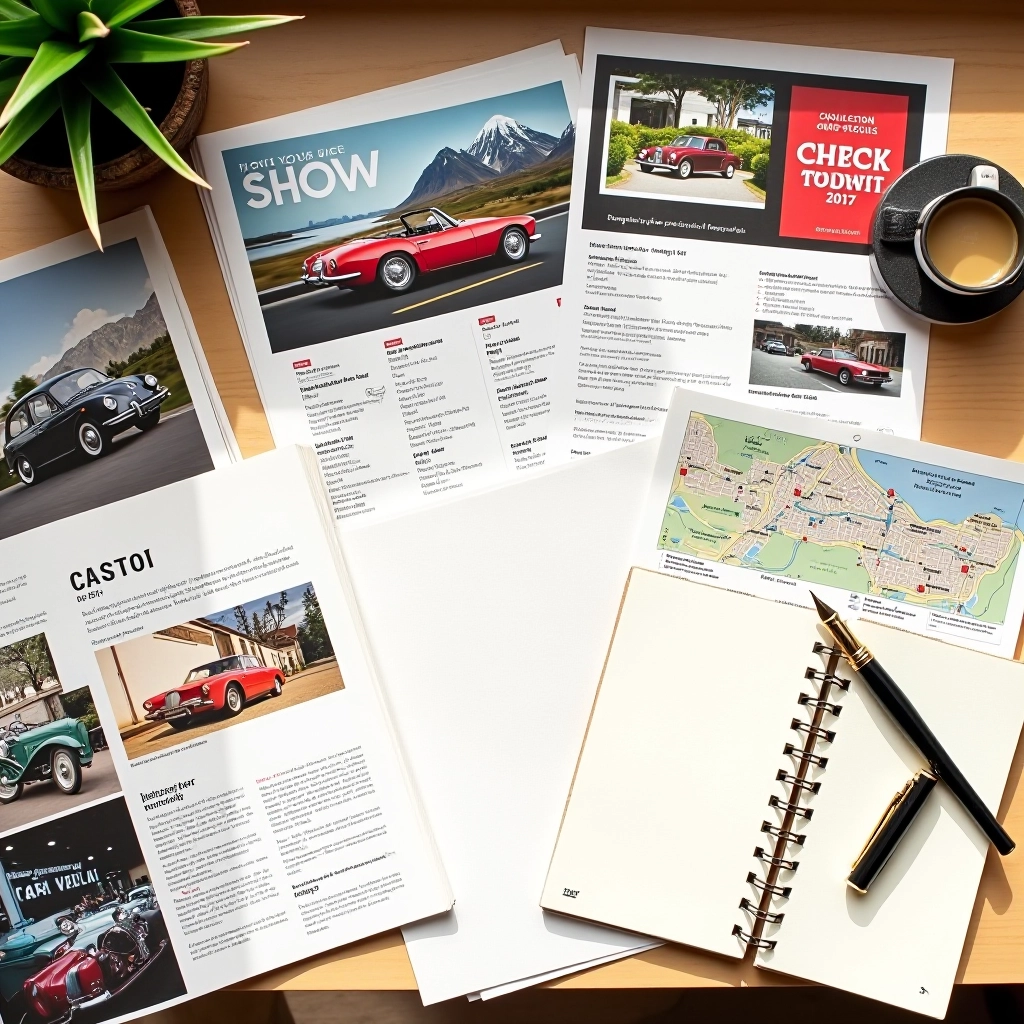
This guide walks you through the preparation process in stages. You'll learn what judges actually inspect, how to prioritize your efforts, and techniques that make real impact. Most preparation happens in the weeks before the event — that's your window to make a difference.
The Preparation Timeline
12 Weeks Before: Assessment
Walk around your vehicle with fresh eyes. Take photos from multiple angles. Make a detailed list of what needs attention — paint condition, chrome plating, upholstery, engine bay cleanliness, rubber trim condition. Don't judge yet, just document.
8-10 Weeks Before: Major Work
This is when you tackle bigger projects — paint correction, mechanical issues, upholstery repairs. You need time for quality work and for materials to cure properly. Rushing chrome work or paint refinishing shows immediately to experienced judges.
4-6 Weeks Before: Detail Work
Focus on details judges scrutinize closely — engine bay cleanliness, undercarriage, wiring condition, original fasteners, correct hose routing. This is where your knowledge of the specific model matters. Get the technical details right.
2-3 Weeks Before: Final Inspection
Drive the vehicle to make sure everything works. Check lighting, windows, wipers, gauges. Confirm that all your preparation holds up under actual use. This catches issues you might miss during stationary work.
Paint & Exterior Detailing
Paint is what judges see first, and it's what catches the light. You're looking for depth, clarity, and consistency. Don't assume your current finish is acceptable — most daily drivers show swirl marks, minor scratches, and oxidation that become obvious under close inspection.
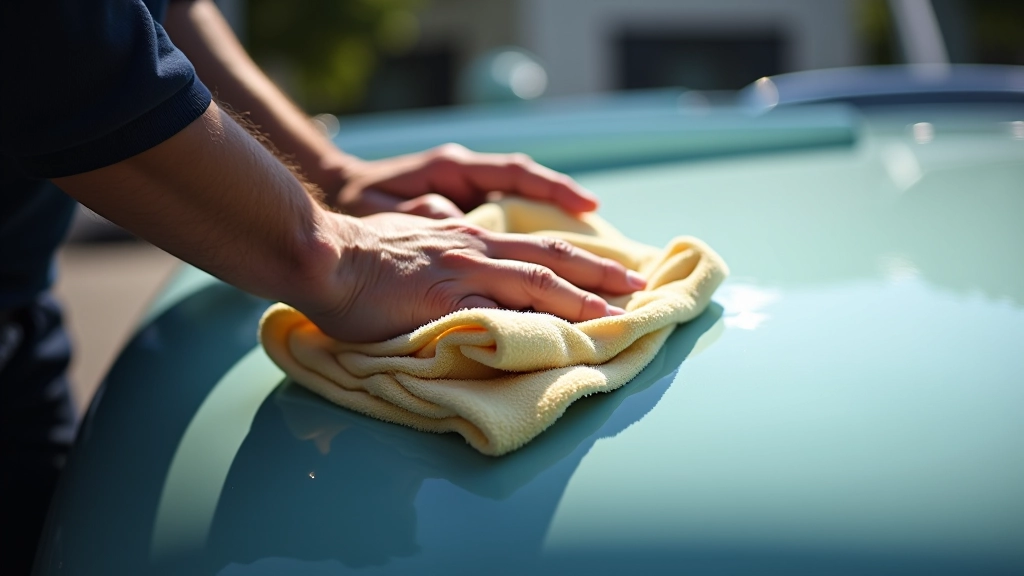
Paint correction is a multi-step process. Start with a clay bar treatment to remove embedded contaminants. Then move to machine polishing with appropriate compounds and pads. The goal isn't a mirror finish — it's a finish that shows the car's true color and has no visible flaws under direct light.
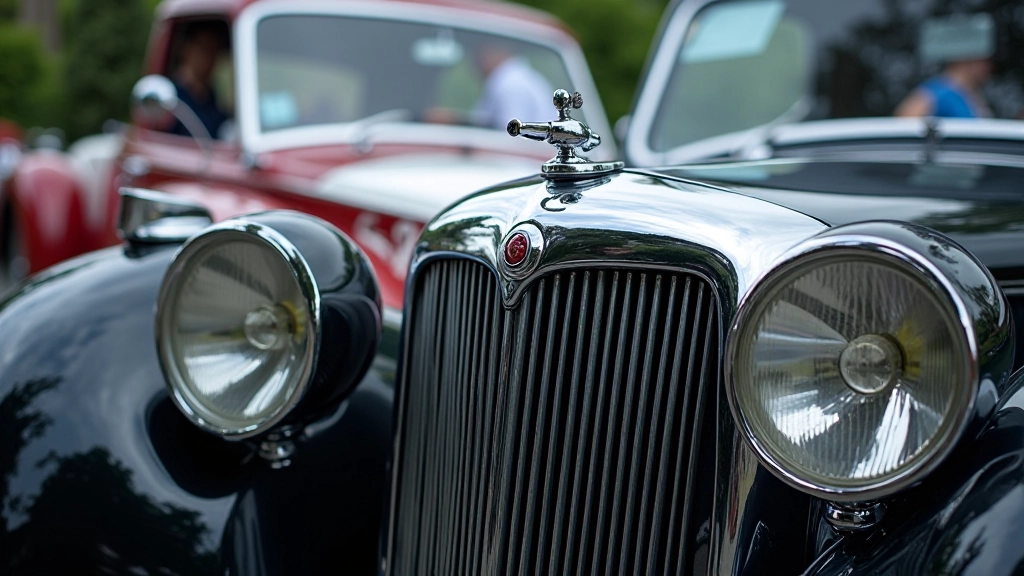
Chrome and stainless trim deserve equal attention. Oxidized or pitted chrome is immediately noticeable. You'll need dedicated chrome polish and time — use a soft cloth and work in small sections. If chrome is severely damaged, professional replating is worth the investment for competition vehicles.
Rubber trim, weatherstripping, and gaskets should be clean and properly seated. These details matter more than most owners realize. Misaligned weatherstripping or dirty rubber looks like neglect, even if everything else is perfect.
Engine Bay & Interior Standards
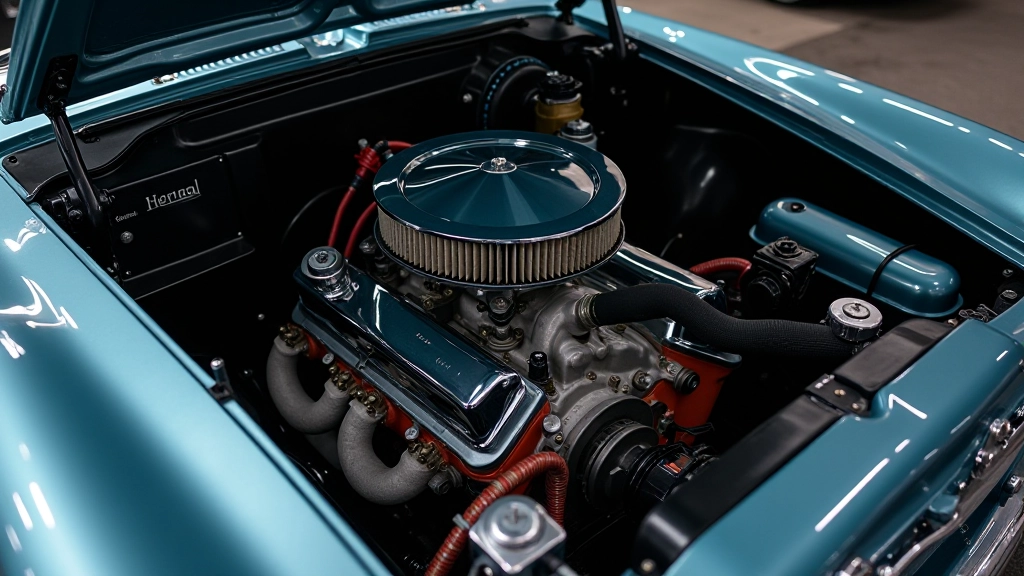
The engine bay tells a story. Judges open the hood looking for originality, cleanliness, and correct assembly. Everything visible matters — hose routing, wire routing, fastener type, paint condition on components, and overall presentation.
Start by documenting what your specific model should look like. Reference factory manuals, technical documentation, and photos of unmodified examples. Hose routing, clamp types, and wire colors aren't random — they're designed specifications that judges recognize.
Clean the engine bay thoroughly, but don't over-restore. A 30-year-old engine shouldn't look brand new. Light patina on castings is appropriate. Clean, legible paint on components is important. Correctly routed hoses matter more than museum-quality appearance.
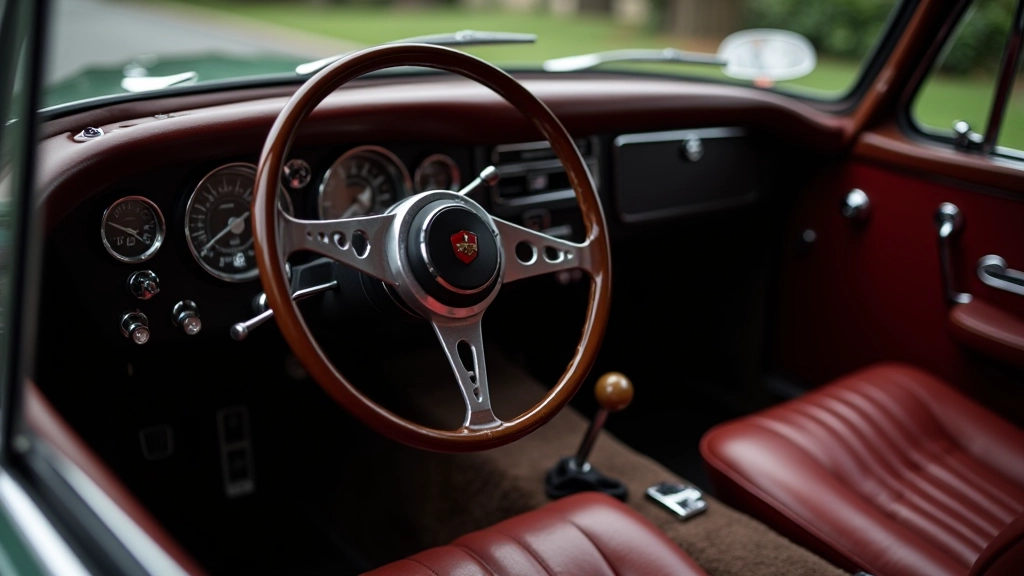
Interior preparation focuses on cleanliness and condition. Upholstery should be vacuumed, carpets spotless, windows crystal clear. If upholstery has damage, consider professional restoration — it's one of the most visible elements judges inspect. Original or correct reproduction materials matter. Steering wheel condition, dashboard cracks, and carpet stains all factor into scoring.
What Judges Actually Inspect
Understanding the judging process helps you prioritize preparation. Different concours have different scoring systems, but most focus on originality, condition, and presentation. Here's what experienced judges tell us they're really looking at:
Paint & Finish
Depth of color, absence of swirl marks, consistent coverage, proper masking lines on trim pieces, and overall gloss level. This is the first impression.
Chrome & Trim
No pitting, oxidation, or corrosion. Proper fit and alignment. Original or correct reproduction materials. Damaged chrome gets flagged immediately.
Engine Bay Detail
Correct hose routing, proper wire placement, original fastener types, correct paint on components, and overall cleanliness. This reveals how much you know about your car.
Interior Condition
Upholstery cleanliness and repair, carpet condition, window clarity, dashboard integrity, and steering wheel condition. Small details like clean gauges matter.
Undercarriage
Cleanliness, absence of fluid leaks, proper brake line routing, original fastener types, and correct component placement. Judges will look underneath.
Documentation
Bring service records, original paperwork, and photos documenting your restoration work. This supports your claims about originality and authenticity.
Practical Tips from Experienced Collectors
We've talked with collectors who've been competing for years. Here's what they wish they'd known earlier:
Take your time with detail work
You can't rush hose routing or engine bay detailing. If you're doing this for the first time, add 30% extra time to your estimates. Quality work shows, and rushed work shows too.
Keep original fasteners visible
When you replace fasteners, keep originals if possible. Judges notice when fasteners don't match original specifications. If originals are damaged beyond use, document it.
Test everything before the event
Drive the car. Make sure lights work, gauges function, wipers operate properly. Nothing's more embarrassing than discovering a non-functional detail on the show field.
Document your work photographically
Take before-and-after photos of major work. Judges appreciate seeing the restoration process. It demonstrates your commitment and knowledge.
About This Guide
This guide provides general information and best practices based on standard concours d'élégance judging criteria. Specific events may have different scoring systems, categories, and technical requirements. We recommend reviewing your specific event's rules and judging criteria before beginning preparation. Concours judging standards vary by region and competition level — what's expected at a national-level event differs from local shows. Contact your event organizers directly to confirm technical requirements and scoring priorities for your competition.
You're Ready to Prepare
Concours preparation isn't mysterious. It's methodical work that anyone with patience can master. You don't need perfect restoration credentials or access to expensive specialists. You need time, focus, and willingness to learn what judges look for.
Start with the assessment phase. Document what needs attention. Then work backward from your event date. Twelve weeks gives you time for quality work without rushing. Eight weeks works if you're organized and know what you're doing. Less than that becomes stressful.
Whether you're competing at Montreal's premier concours or Vancouver's intimate heritage shows, the fundamentals are the same. Clean details, correct assembly, and obvious care go a long way. Judges appreciate effort and knowledge. They recognize when someone's done their homework.
The concours field brings together people who genuinely care about heritage vehicles. It's collaborative. Experienced competitors share tips. Judges offer feedback. Take advantage of that community. Ask questions. Learn from others' work. That's how the best cars get even better.
Want to deepen your knowledge about concours competitions and heritage car culture?
Explore More GuidesRelated Articles
Montreal Concours: Spring and Fall Season Guide
Covers the best times to attend Montreal's premier automotive events, what to expect at each show, and how to get the most from the concours season.
Read Article
Vancouver Heritage Shows: Finding Your Community
An introduction to Vancouver's concours landscape, featuring smaller intimate gatherings and how to connect with fellow enthusiasts.
Read Article
Building Your Collection: Value, Authenticity, and Care
Understanding what makes a heritage vehicle valuable, how to assess authenticity, and best practices for long-term preservation and care.
Read Article