
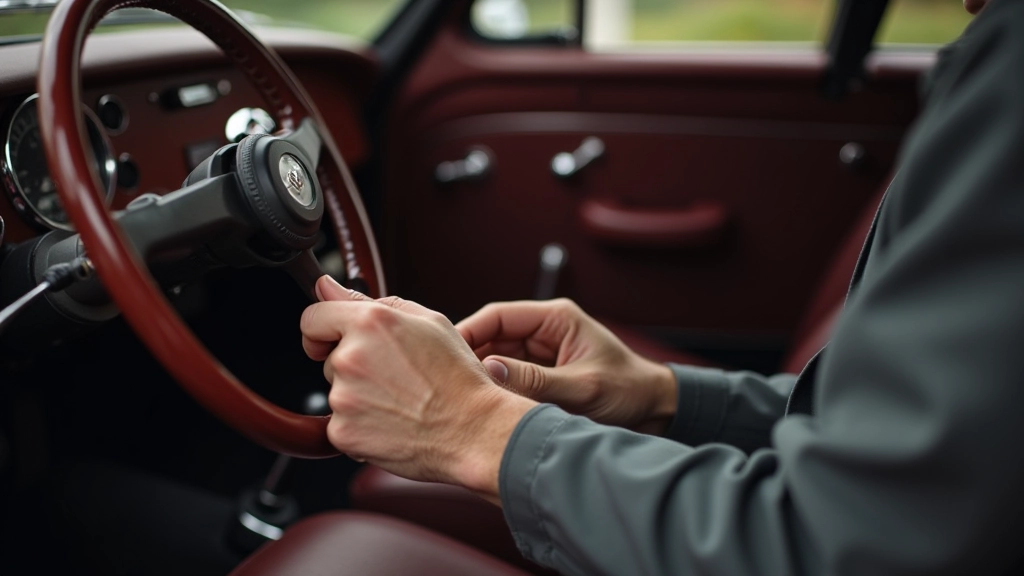
What Drives Heritage Vehicle Value
Heritage vehicles aren't like regular cars. They're assets that tell stories. The value of a classic or vintage car depends on several interconnected factors, and understanding them will help you make smart acquisition decisions.
Rarity is the foundation. If only 200 units were produced, that vehicle automatically holds more intrigue than something manufactured by the thousands. Limited production runs, special editions, and one-off customizations create scarcity that collectors actively seek.
Historical significance matters tremendously. A car that won races, appeared in films, or belonged to notable figures carries premium value. We're talking about vehicles with documented provenance — the kind where you can trace ownership back through decades.
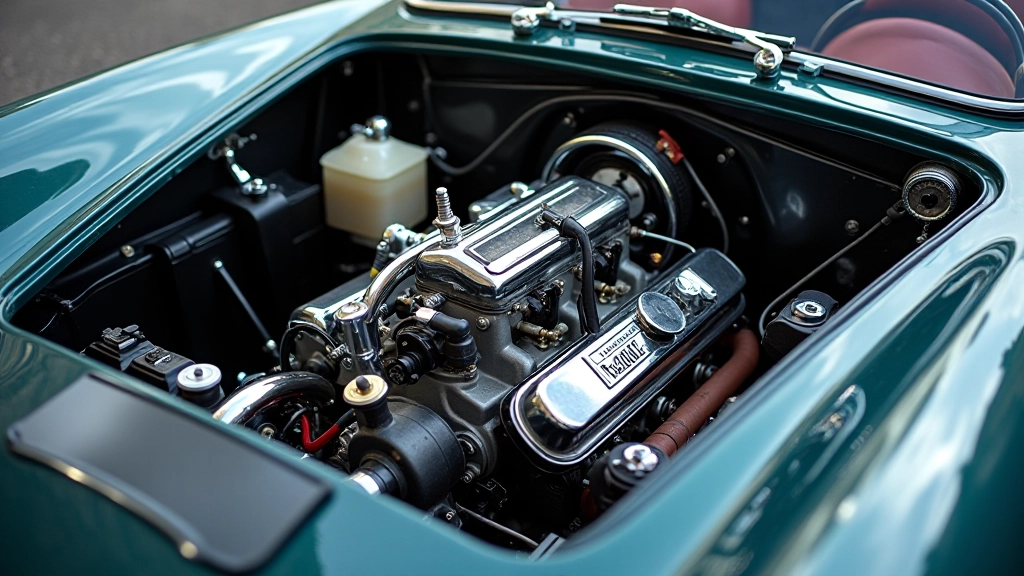
Authenticating Your Prospective Purchase
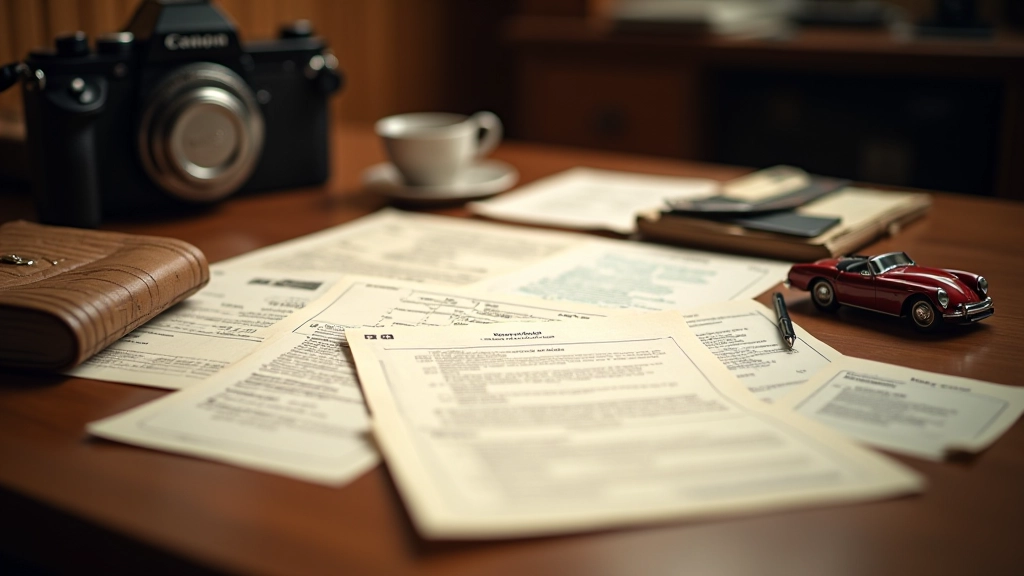
Authentication starts before you ever see the vehicle in person. You'll want factory documentation — original build sheets, window stickers, service records. These items prove the car's original specification and maintenance history.
The VIN is your starting point. Check it against factory records. Does the engine number match the chassis? Are the paint codes original? A professional pre-purchase inspection by a marque specialist costs $500-1,500 but saves you from costly mistakes.
Body panels tell the story. Look for signs of repainting — metal flake differences, overspray on trim, inconsistent texture. Original finishes have specific characteristics that experts recognize immediately. Rust repairs and panel replacements reduce value substantially.
- Check all panel gaps for uniformity
- Verify chrome plating dates and wear patterns
- Inspect upholstery for period-correct materials
- Confirm dashboard and instrument clusters match year
- Review undercarriage for welding or structural work
Preservation and Maintenance Fundamentals
Preservation is an ongoing commitment. Unlike modern vehicles, heritage cars require specialized knowledge. Mechanics familiar with pre-computer-era vehicles, fuel systems, and electrical architectures aren't everywhere. Building relationships with specialists in your marque is essential.
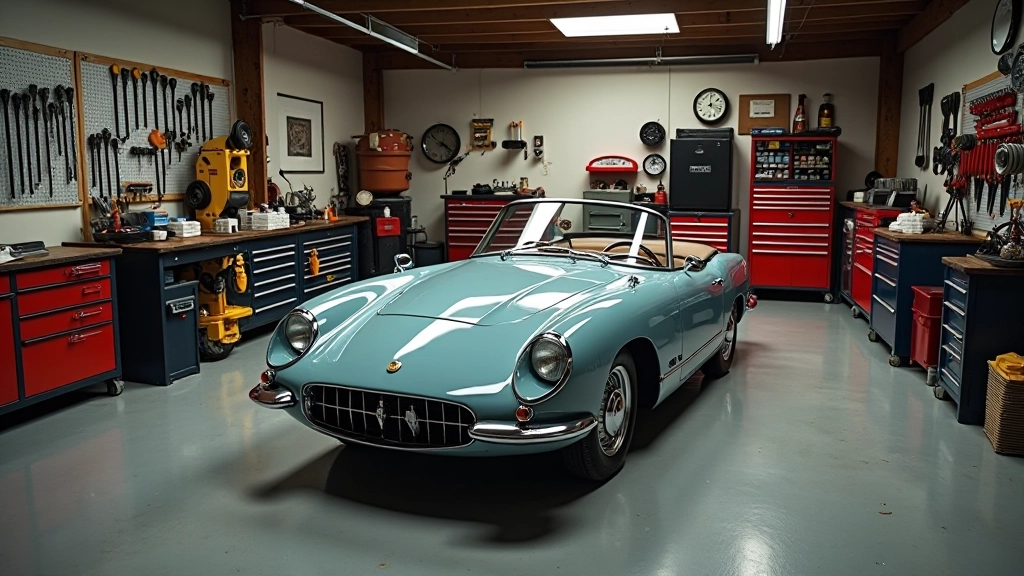
Storage conditions dramatically impact longevity. You'll want a climate-controlled garage — temperature swings between 50-80°F ideally, with humidity between 40-60%. Concrete floors absorb moisture, so sealed or rubber flooring works better. Proper ventilation prevents condensation and rust formation.
Routine care prevents expensive problems. Oil changes every 1,000 miles (yes, more frequently than modern cars), fuel stabilizer for stored vehicles, regular tire rotations, and battery maintenance keep systems functional. Brake fluid and coolant degrade over time — plan on flushing these annually.
Monthly Maintenance Checklist
- Inspect fluid levels (oil, coolant, brake, power steering)
- Check tire pressure and condition
- Test all lights and wipers
- Listen for unusual sounds during startup
- Verify brakes respond normally
Building Smart: Acquisition Strategy
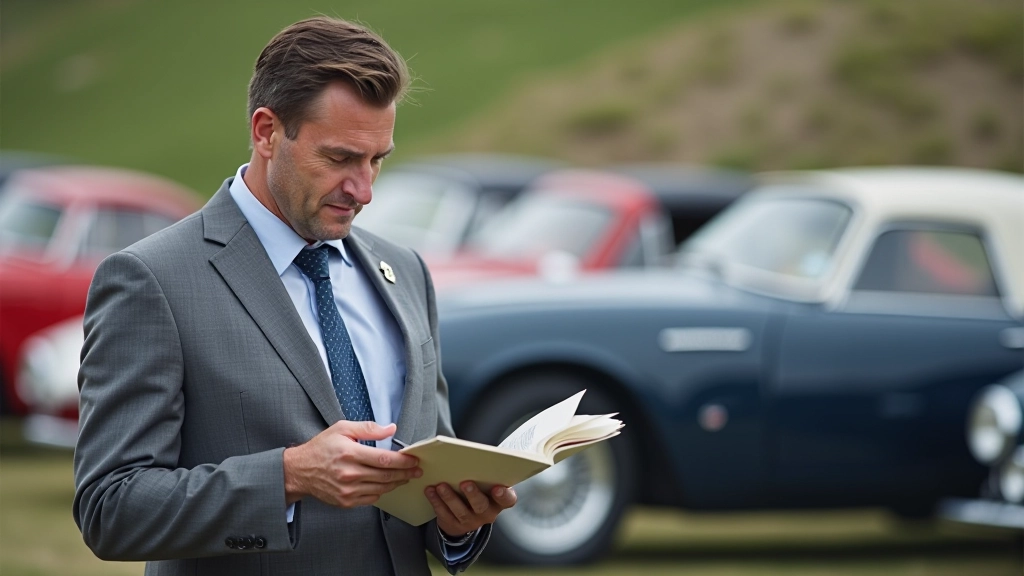
Smart collectors develop acquisition criteria before they start looking. Decide on era, marque, body style, and budget. You're looking for undervalued gems — vehicles that've been overlooked by the market but have solid fundamentals.
Auction houses, private sales, and estate finds each present different opportunities. Auctions offer transparent pricing but come with buyer's premiums. Private sales require more due diligence but allow negotiation. Estate finds often lack complete history but can represent value if you're patient.
Don't rush. The best collections are built over years, not months. You'll attend shows, network with other collectors, and gradually understand market patterns. Montreal's spring and fall concours events, along with Vancouver's heritage shows, provide excellent research opportunities.
"The vehicles that appreciate most aren't always the flashiest. They're the ones with clean histories, proper maintenance records, and honest condition. Do your homework, move deliberately, and you'll build something worthwhile."
Editorial Note
This article provides educational information about heritage vehicle collecting, valuation considerations, and preservation practices. It's designed to help you understand the fundamentals and ask better questions when evaluating vehicles. Market values fluctuate, condition assessments are subjective, and individual circumstances vary significantly. Always engage qualified professionals — marque specialists, appraisers, mechanics — before making acquisition decisions. Heritage vehicle ownership involves costs beyond purchase price, and this guide is informational only, not prescriptive for your specific situation.
Building a Legacy Collection
Heritage vehicle collecting isn't about chasing trends or quick returns. It's about preserving mechanical history, enjoying driving experiences you won't find in modern cars, and connecting with a community of passionate enthusiasts. The best collections reflect deliberate choices, solid research, and genuine appreciation for automotive craftsmanship.
Start by understanding what drives value — rarity, provenance, condition, originality. Learn to authenticate vehicles properly and invest in professional inspections. Commit to proper storage and maintenance. Then build methodically, one carefully-selected vehicle at a time. That's how collections become assets worth preserving for the next generation.
Whether you're collecting for Montreal's spring concours or building toward Vancouver's autumn shows, the principles remain the same. Do your homework. Ask hard questions. Move deliberately. The vehicles worth owning are the ones you'll be proud to show for decades.